What I Noticed in Israel: Children Are Sacred, but That Comes With a Cost
During my time observing life in Israel, one thing became impossible to miss: children are sacred. They are adored, celebrated, protected, and placed at the very center of family life. In theory, that sounds wonderful. Appreciate your children. Cherish them. They are the future, after all.
And in many ways, that instinct is beautiful.
Israel is a country where family is deeply valued, where children are seen as blessings, and where parents often make enormous sacrifices for them. In a nation shaped by conflict, uncertainty, and generations of struggle, it is understandable that mothers and fathers want to give their sons and daughters every possible joy.
But admiration can become overcompensation. Love without limits can become damage. And that is where a serious problem begins.
I believe that beneath this culture of placing children on a pedestal, there is often an unspoken feeling of guilt. Many Israeli parents bring children into a country where danger has always existed in the background. A place where war, terrorism, and regional hostility are not abstract fears but realities. A place where every child grows up knowing that at eighteen, military service awaits, along with the responsibility of defending the homeland and facing real risks.
That reality weighs heavily on parents.
It can create a mindset that says: My child already carries enough burdens. I should never make life harder for them. I should remove obstacles. I should say yes more than no.
That instinct is human. It is understandable. But it can also be deeply harmful.
Children depend on their parents for a long time. During those years, they are not only meant to be loved. They are meant to be guided. They must learn discipline, boundaries, patience, responsibility, and the difference between right and wrong. They need to hear no sometimes. They need consequences. They need structure.
Without those things, love becomes weakness.
When every wish is granted, when every complaint is solved instantly, when children are raised as kings and queens inside the home, some grow into young people who cannot handle frustration, rejection, or accountability. They expect the world to serve them exactly as their parents did.
And when the world refuses, anger follows.
For some, that anger stays small. For others, it turns dangerous.
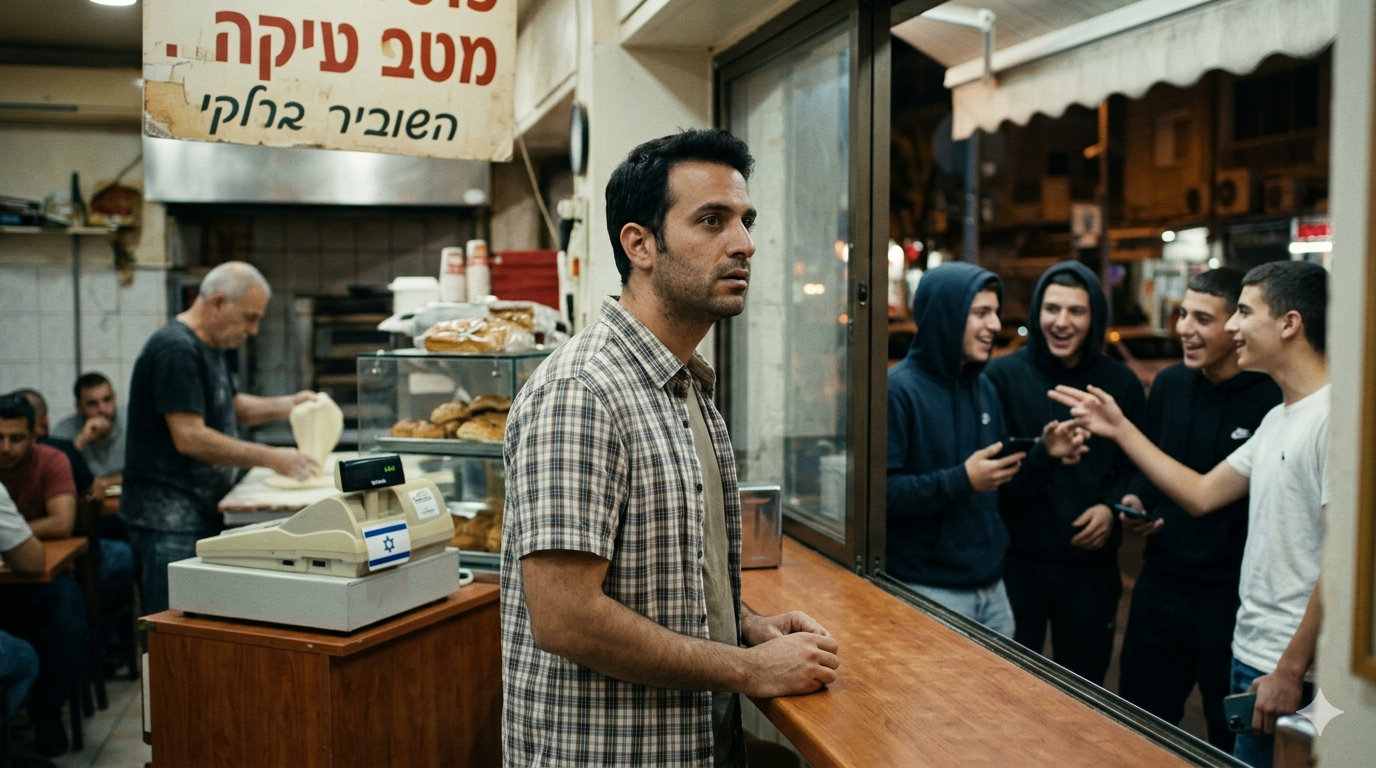
A shocking example is the murder of Yemanu Binyamin Zalka, a case that shook the country. Zalka was killed after confronting a group of teenagers who were causing a disturbance in the pizzeria where he worked. According to reports, the group waited for him outside after his shift, attacked him, and one of them stabbed him. Despite doctors fighting to save his life, he died from his injuries.
Fourteen suspects were reportedly involved, many of them minors.
This was not just another crime. It was a mirror held up to society.
No, parents cannot be blamed for every criminal act committed by a child. Human behavior is more complex than that. Personal choices matter. Peer pressure matters. Social influences matter.
But parenting matters too.
When young people are raised without respect for authority, without emotional discipline, without learning that actions have consequences, society eventually pays the price. The streets pay the price. Innocent people pay the price.
And nations pay the price.
A country cannot remain strong if its next generation is taught entitlement instead of responsibility. A society cannot thrive when children are adored in youth but unprepared for adulthood. A nation surrounded by challenges especially cannot afford moral softness at home.
Israel has many strengths. Resilience is one of them. Innovation is another. Family loyalty is another. But when family love turns into blind indulgence, strength becomes weakness.
There is a difference between loving a child and worshipping a child.
Children do not need parents who act like friends all the time. They need mothers and fathers willing to do the harder job. They need adults who teach rules, who demand respect, who set standards, who correct bad behavior, and who understand that temporary tears are sometimes the price of long term character.
Real love is not giving children everything they want.
Real love is giving them what they need to become decent adults.
That means teaching gratitude instead of entitlement. Patience instead of instant reward. Responsibility instead of excuses. Respect instead of arrogance. Courage instead of comfort.
Israel’s future will not be secured only by soldiers, technology, or politics.
It will be secured in living rooms, kitchens, schools, and playgrounds, where the next generation learns how to behave, how to think, and how to live with values.
Children are the future.
That is exactly why they must not be treated like kings and queens.
They must be raised to become men and women worthy of inheriting a nation.