Israel Carries the Real Cost
Opinion
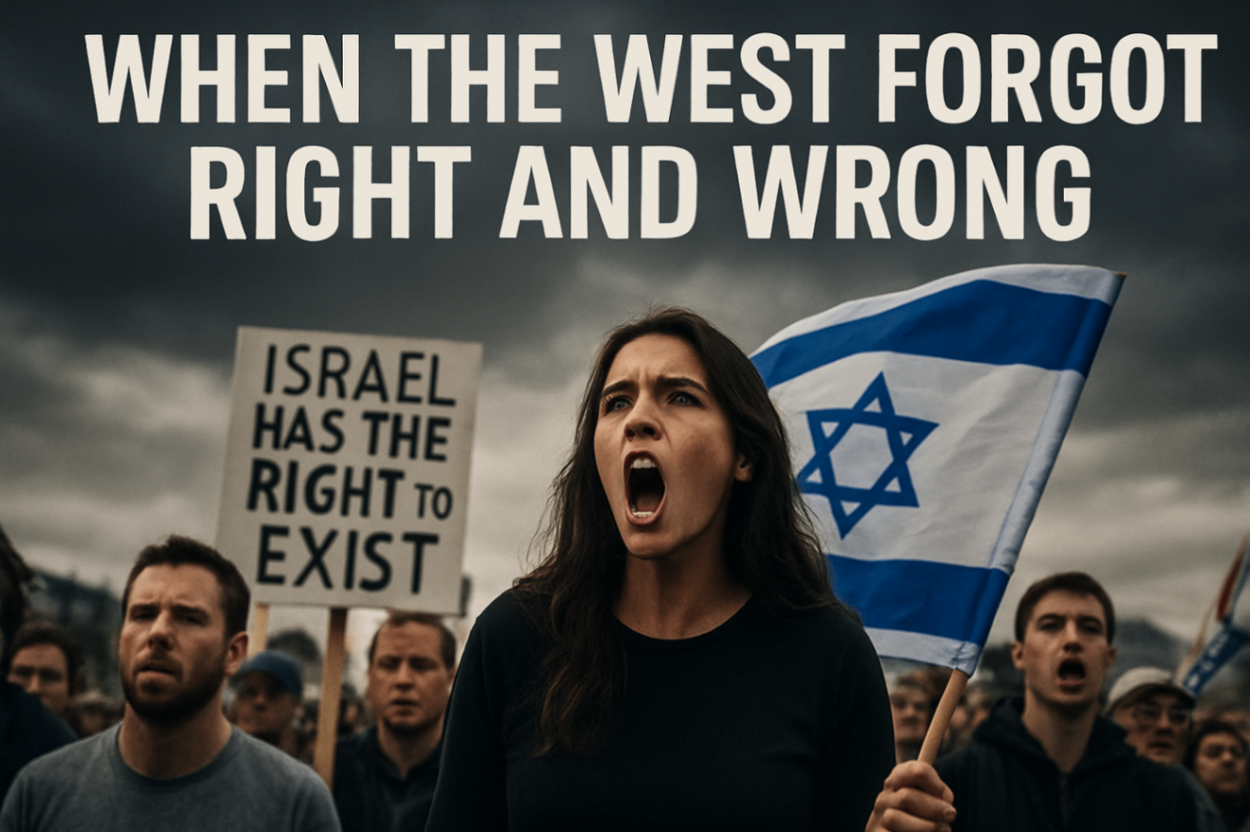
Recent developments in the Iran war have once again exposed a reality many outside the region prefer to ignore. When conflict spreads across the Middle East, Israel pays the immediate price while the United States remains largely protected by geography, distance, and strategic depth.
For Washington, confrontation with Iran is often framed through policy papers, military planning, sanctions, and diplomatic messaging. For Israel, it is measured in air raid sirens, nights in bomb shelters, emergency mobilizations, economic disruption, and children learning the language of war far too young.
That difference defines everything.
America can weigh costs over months and years. Israel often has only minutes. Missiles launched by Iranian proxies do not cross oceans before reaching Israeli communities. Drones do not require lengthy warning times. Threats are not theoretical calculations debated in distant capitals. They are physical dangers arriving in real time.
This is why Israeli decision makers frequently view security through a harder lens than their allies abroad. They are not dealing with hypothetical outcomes. They are dealing with survival in a narrow land surrounded by active enemies and unstable fronts.
Recent developments have shown that the wider war remains unresolved despite diplomatic pressure and repeated calls for restraint. Iran continues to rely on armed proxy movements that allow it to threaten Israel without always engaging directly. This strategy keeps pressure on multiple fronts while giving Tehran room to deny responsibility.
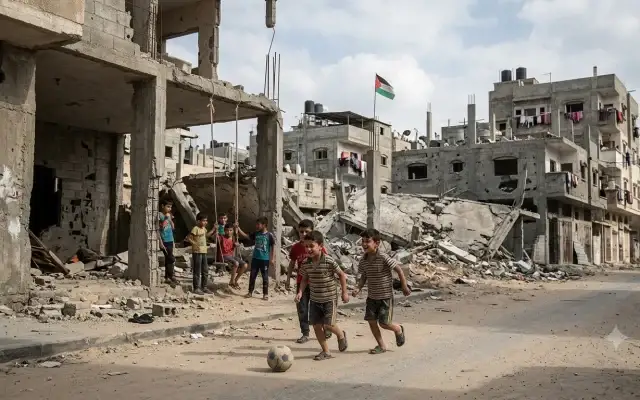
One of those fronts remains Gaza.
Hamas is not disarmed yet, even while the United States has repeatedly insisted that no serious postwar settlement can succeed if the group retains weapons, command structures, and military influence. American officials have spoken about demilitarization as a necessary step toward any stable future arrangement.
Yet reality on the ground remains different.
Hamas may be weakened, its infrastructure damaged, and many of its leaders targeted, but it has not been fully dismantled as an armed movement. Fighters remain. Weapons caches remain. Recruitment networks remain. Ideology remains. As long as those elements survive, the possibility of renewed violence survives with them.
For Israelis living near Gaza, that is not a diplomatic detail. It is a direct security threat.
The northern front presents another unfinished danger.
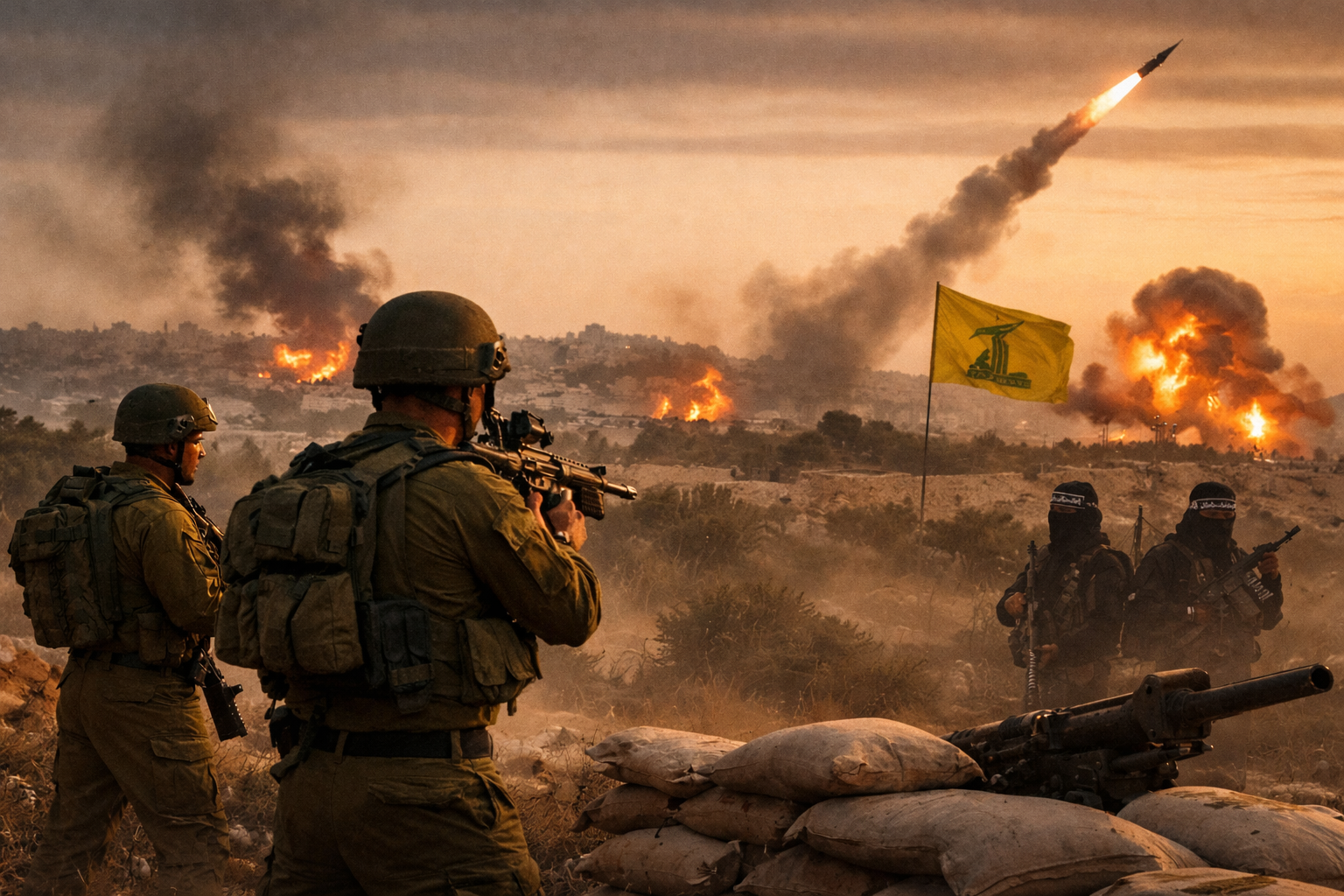
Hezbollah has not been eliminated. Its capabilities may have been reduced through military pressure and targeted strikes, but it still represents one of the most heavily armed non state forces in the world. Its missile and rocket threat continues to shape life across northern Israel, where communities know that periods of quiet can disappear overnight.
Families displaced from border areas understand this truth better than any analyst. They cannot rebuild normal life while a hostile force remains entrenched just beyond the frontier.
Iran benefits from all of this. It does not need a conventional battlefield victory if its proxy network can exhaust Israel over time. Hamas in Gaza, Hezbollah in Lebanon, and other aligned militias across the region create constant strain on Israeli defenses, economy, and society.
Meanwhile, the United States remains comparatively safe. American citizens are not evacuating border towns because of Hezbollah rockets. American schools are not built with shelter access because of nearby militias. American airports do not routinely adjust operations because hostile groups next door may launch attacks.
This is not criticism of America. It is recognition of reality.
Distance creates options. Geography creates patience. Israel has less of both.
That is why outside pressure for half measures often sounds disconnected inside Israel. Ceasefires that leave armed groups intact may look practical from abroad. For Israelis, they can look like delayed danger. Agreements that postpone disarmament may appear constructive in foreign capitals. In Israel, they may appear as invitations for the next war.
Israel values alliances, military support, and intelligence cooperation. Those relationships matter greatly. But allies do not carry the same consequences when threats remain unresolved. Israel does.
So long as Hamas is not disarmed, Hezbollah is not neutralized, and Iran continues funding and directing regional proxies, Israel will remain the nation carrying the frontline burden of a conflict others discuss from safer distances.
That is the real cost of geography.
For many countries, war is strategy. For Israel, it is daily life.
And until the threats on its borders are truly removed, Israelis will continue living with risks that much of the world only watches on screens.