
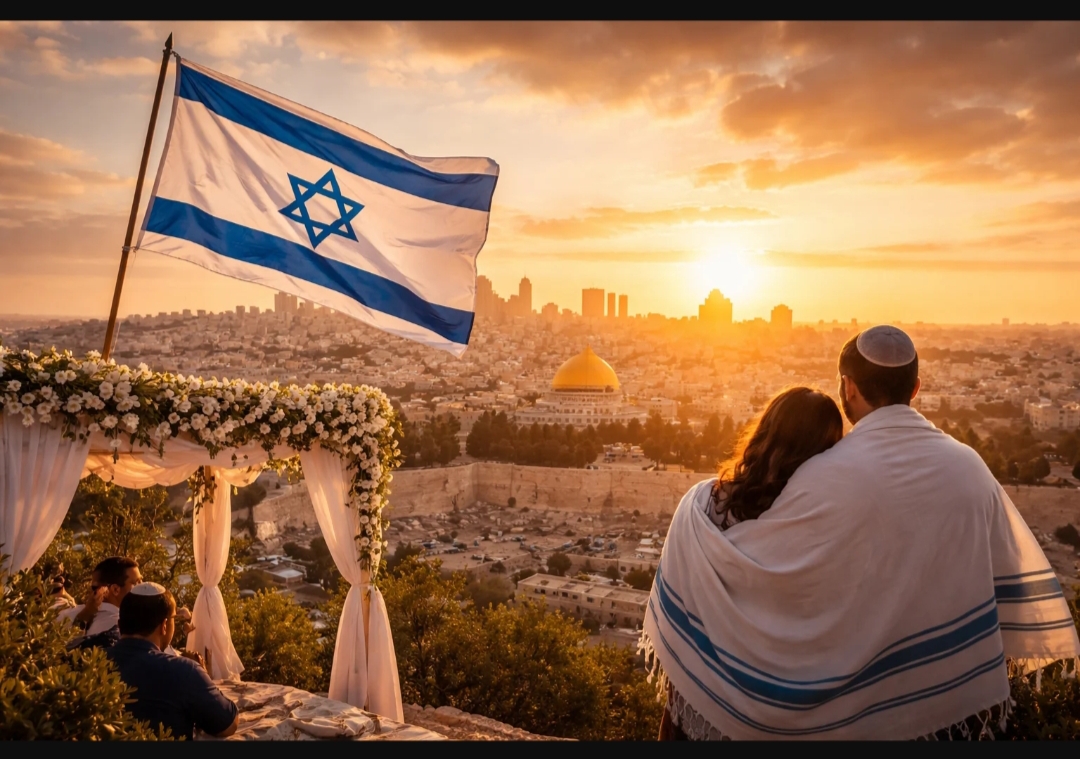
The Benefits of Being Jewish, Proud, Alive, and Unapologetic
Being Jewish is often framed as a story of suffering. Antisemitism, persecution, security concerns, these dominate the public conversation. While those realities exist and must be confronted, they are not the definition of Jewish life. Reducing Jewish identity to victimhood is not only inaccurate; it is insulting.
Being Jewish is not a curse. It is a civilization built on meaning, memory, and moral clarity.
A Moral Backbone the World Still Borrows From
Judaism introduced ideas that reshaped humanity: the sanctity of life, moral law above power, justice as obligation, and responsibility for the vulnerable. These were not philosophical luxuries, they were commands.
Justice (tzedek) is pursued relentlessly. Human dignity is non-negotiable. Debate is sacred. Judaism does not reward blind obedience; it rewards thinking. Questioning God is not heresy, it is tradition.
That ethical backbone did not remain inside the Jewish world. It became the foundation of Western law, human rights, civil responsibility, and modern ethics. The world may argue about Jews, but it still lives by Jewish ideas.
Strength Through Learning, Not Numbers
Jews are a tiny minority. Yet Jewish influence in science, medicine, economics, law, and culture is vast. That is not coincidence. Judaism treats education as survival strategy. Literacy is sacred. Memory is power.
This is a culture that teaches children not what to think, but how to think. Argument sharpens truth. Study builds resilience. Knowledge is not elitism, it is obligation.
Not Just Surviving, on contrary, Living Beautifully
Let’s be clear: being Jewish is also joyful.
Jewish weddings under a chuppah are among the most meaningful ceremonies on earth. No spectacle, no excess, just ancient words, community, and continuity. A home is created not in isolation, but in public commitment to past and future.
Judaism sanctifies time. Shabbat is a weekly rebellion against a world obsessed with productivity. It forces rest, family, reflection, and presence. Jewish holidays are not decorations, they are lived history.
And yes, Jews celebrate the New Year twice. Rosh Hashanah resets the soul. January 1st joins the wider world.
That dual rhythm, rooted yet global, defines Jewish life.
Israel: Where Jewish Life Is Normal
For centuries, Jews were tolerated guests at best, targets at worst. Israel changed that.
In Israel, Jews do not explain their holidays. They do not hide symbols. They do not apologize for existing. Jewish life is not political, it is normal.
Despite challenges, Israel allows Jews to live openly, securely, and with dignity in their indigenous homeland. That reality alone shatters the false narrative that Jewish existence must always be fragile or conditional.
The Diaspora: Community, Vigilance, Continuity
Jewish communities in the diaspora are among the most organized and resilient minorities in the world. Security, education, and mutual responsibility are taken seriously, not out of fear, but out of care for life.
No society is risk-free. History proves that. But Jewish communities understand something essential: safety comes from unity, preparation, and solidarity, not from invisibility.
Particular Identity, Universal Responsibility
Judaism does not seek to convert the world. It does not claim moral monopoly. It demands something harder: to live ethically without forcing belief.
Jews are commanded to care for their own people and act justly toward all. Identity and universal responsibility are not opposites, they are inseparable.
The Truth the Noise Can’t Erase
The world often tells Jews that their identity is a problem. Judaism answers with life.
With families. With learning. With weddings, arguments, laughter, and stubborn hope.
Being Jewish is not about begging acceptance. It is about knowing who you are and refusing to disappear.
Not despite history. Because of it.