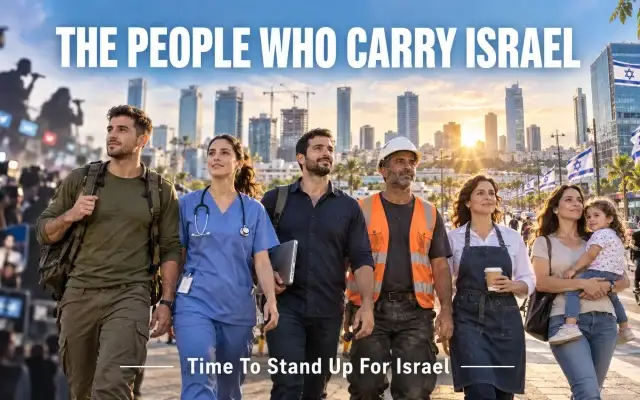
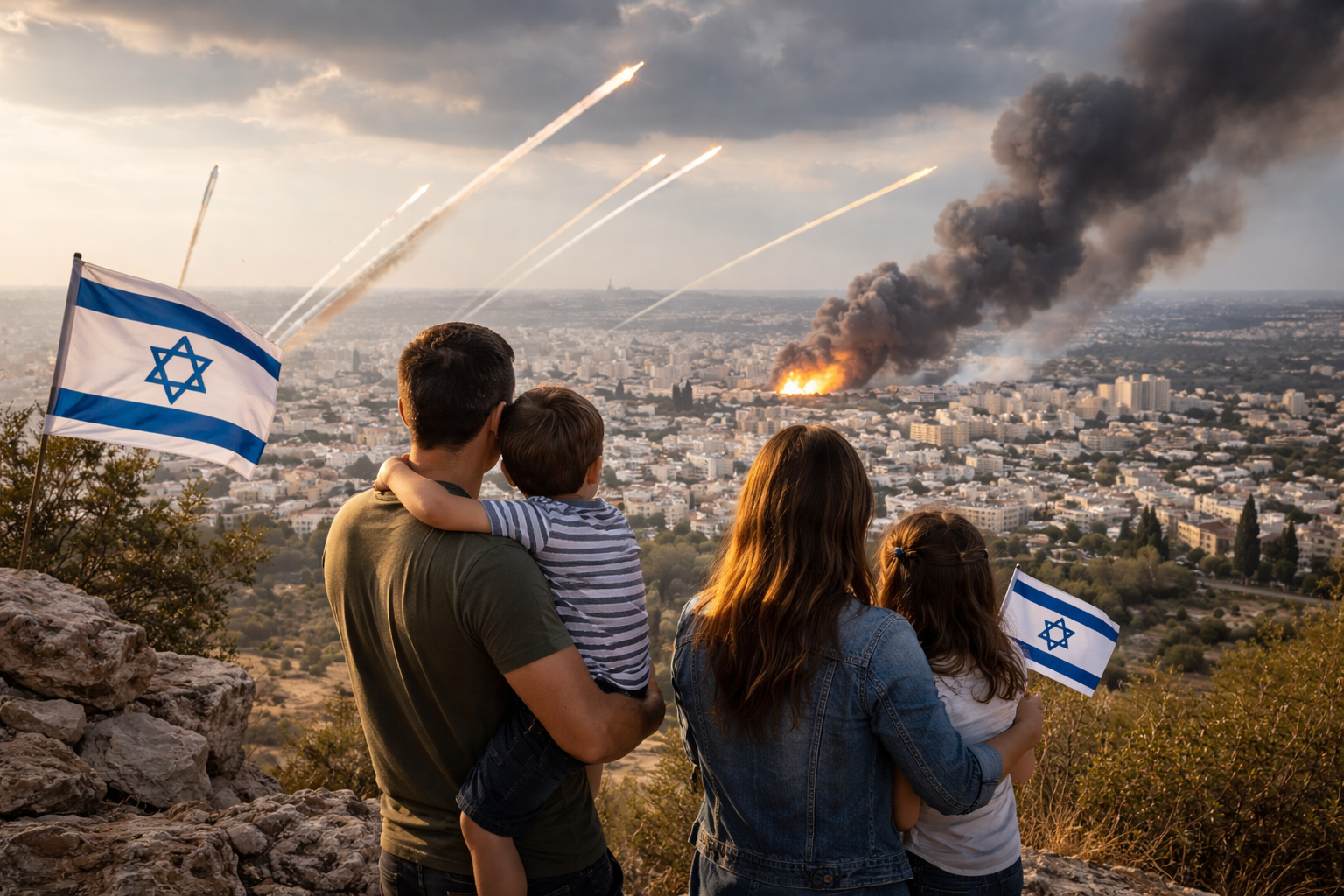
For years, Israelis have lived with a kind of fear that is difficult to fully grasp from a distance. It is the fear of sirens in the middle of the night. The fear of seconds to find shelter. The fear that a rocket, launched with little warning and less mercy, might land on a home, a school, or a street filled with ordinary life. In Israel, this has not been an exception. It has been a pattern. A reality repeated over and over again, shaping generations who grow up knowing that safety is never guaranteed.
This fear has often been explained away or contextualized by those watching from afar. The attacks are acknowledged, but rarely absorbed. They are placed into political frameworks that dilute their human weight. The result is a quiet normalization of something that should never be normal. Living under the threat of rockets is not a detail in a larger story. It is a defining experience.
Now the conversation is shifting. The growing capabilities of Iran have made one thing increasingly clear. The reach of its weapons is no longer limited to the Middle East. Europe is no longer beyond range. What Israel has faced for years is no longer geographically contained. It is approaching the doorstep of those who once viewed it as distant.
Iran is not a passive actor in this reality. It is a regime marked by militancy, driven by ideology, and sustained by a network of proxies that extend its influence far beyond its borders. It has demonstrated, time and again, a willingness to escalate conflict and to target civilians indirectly through those it supports. To believe that such a regime would hesitate when given broader reach is to ignore its track record.
There is a deeply uncomfortable thought that emerges from this moment. Living in Europe, one might almost feel that only direct exposure to this threat will force a realignment of understanding. Not because violence is desired, but because distance has allowed for a certain moral detachment. When danger is abstract, empathy can become selective. When it becomes immediate, perspective changes.
For too long, Israeli and Jewish suffering has been filtered through a lens that questions its legitimacy or scales it against other forms of suffering. The pain is barely acknowledged, and often with conditions. The fear is recognized, but rarely centered. This has created an imbalance in how human experience is valued and understood.
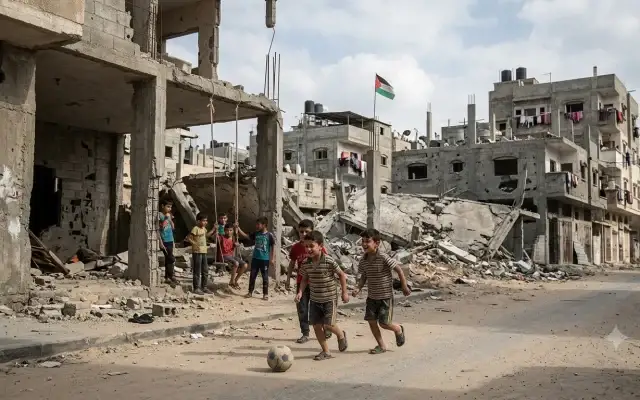
Acknowledging this does not diminish the suffering of others. It does not deny the hardships faced by “palestinians” due to the violence they started, or anyone else caught in conflict. But it challenges the notion that one form of suffering must be elevated at the expense of another. The reality is more complex and more uncomfortable than that. Pain is not a competition, yet it has too often been treated as one.
Israelis have endured years of rocket attacks, years of living with the knowledge that hostility surrounds them, years of defending not only their borders but their right to exist in security. This endurance has been met with scrutiny that few other nations would be expected to withstand under similar circumstances.
If Europe begins to feel even a fraction of that vulnerability, it may lead to a long overdue shift. It may force a recognition that the threats Israel has warned about were never exaggerated. They were simply experienced earlier, more intensely, and more persistently.
The hope is not for catastrophe. It is not for rockets to fall on new cities or for fear to spread further. The hope is for understanding without the need for suffering to deliver it. But history suggests that awareness often follows proximity.
If the expanding reach of Iran brings that proximity closer, then perhaps it will also bring clarity. A clarity that recognizes Israeli fear as real, Israeli suffering as valid, and Israeli resilience as something that deserves not skepticism, but acknowledgment. Only then can there be a more honest conversation about justice, security, and the shared human cost of conflict.