Gaza, Sudan, Afghanistan: A Moral Double Standard
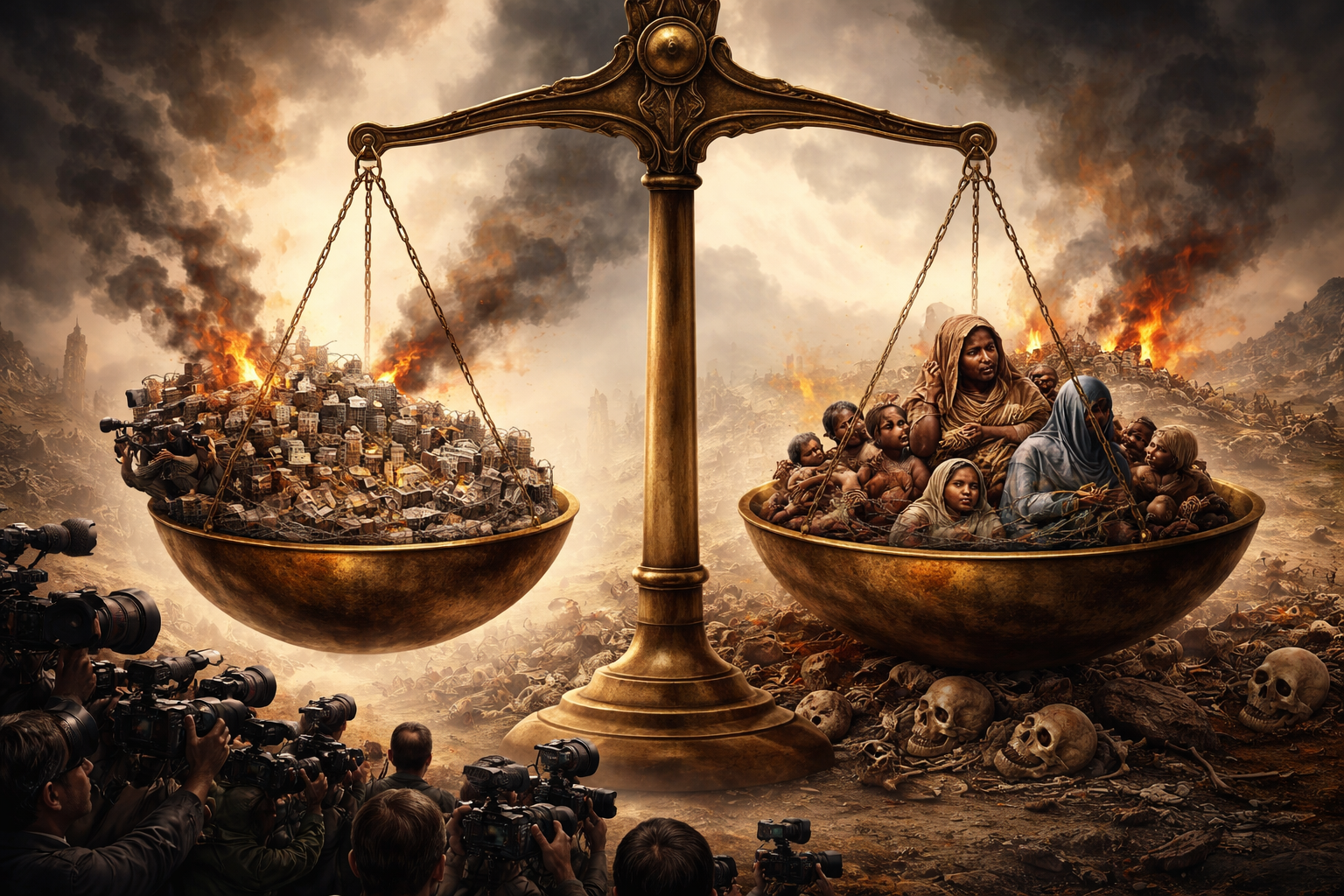
Gaza is tiny. Sudan and Afghanistan are vast. Yet Gaza dominates headlines, protests, UN resolutions, NGO budgets, and Western political pressure, while humanitarian catastrophes of far greater scale elsewhere barely register. This imbalance is not accidental, and it reveals far more about Western politics than about human suffering.
Let’s begin with facts.
The Gaza Strip covers approximately 365 km². It is one of the most densely populated territories on earth. Sudan, by contrast, spans about 1,886,000 km², more than 5,000 times larger than Gaza. Afghanistan covers roughly 652,000 km², nearly 1,800 times Gaza’s size.
Size alone does not determine suffering, but scale matters when judging attention, urgency, and proportionality.
Where the World Looks and Where It Doesn’t
In Sudan, a devastating civil war has displaced over 10 million people, caused mass starvation, ethnic cleansing, and systematic rape. Entire regions have collapsed into lawlessness. Aid convoys are blocked. Journalists are absent. Social media is silent.
In Afghanistan, women have been erased from public life. Girls are banned from secondary education. Forced marriages, hunger, and economic collapse define daily reality. The Taliban rules through fear, executions, and repression, yet there are no global marches, no campus encampments, no obsessive UN focus.
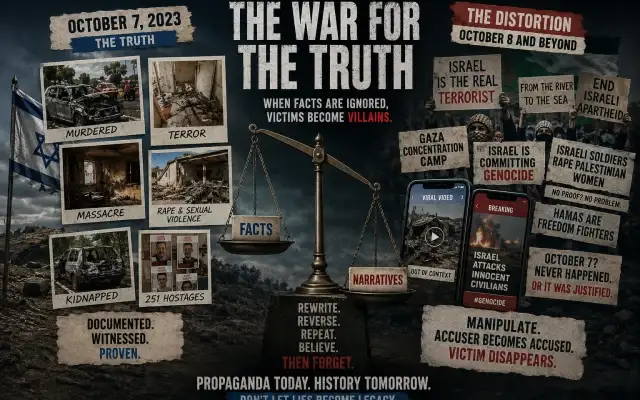
Meanwhile, Gaza, governed by Hamas, a jihadist organization explicitly committed to Israel’s destruction, receives extraordinary global attention. Every Israeli military action is scrutinized, condemned, and litigated in international forums, often stripped of context: Hamas’ use of human shields, embedded weapons in schools and hospitals, and deliberate targeting of Israeli civilians.
This is not about compassion. It is about selective outrage.
What NGOs Do And Don’t Do
International NGOs are heavily present in Gaza: UNRWA, Oxfam, Amnesty International, Human Rights Watch, Save the Children, Doctors Without Borders. Gaza enjoys one of the highest per-capita concentrations of aid organizations in the world.
In Sudan, NGOs struggle to operate at all. Access is dangerous, funding is scarce, and political will is weak. In Afghanistan, aid is constrained by Taliban control, yet outrage is muted because there is no Israel to blame, no Western democracy to pressure, and no Jews involved.
Israel is targeted precisely because it is open, democratic, legally accountable, and morally constrained. Dictatorships are ignored because they do not listen. Israel is attacked because it does.
Why the West Fixates on Israel
Western countries, including the Netherlands, feel morally empowered to lecture Israel. This is deeply ironic. The Netherlands, like many European states, has a long history of colonial violence, slavery, collaboration during WWII, and postwar moral failures. During the Holocaust, over 75% of Dutch Jews were murdered, one of the highest rates in Western Europe.
Yet today, these same societies adopt a posture of moral superiority toward the Jewish state.
Israel has become the world’s conscience laundering machine. By obsessively condemning Israel, Western elites avoid confronting their own historical guilt, present-day failures, and inability to stop real atrocities elsewhere. Israel is safe to attack. Sudan is not fashionable. Afghanistan is inconvenient.
This is not justice, it is projection.
Why Israel Is Held to an Impossible Standard
Israel is expected to fight a terrorist organization that embeds itself among civilians while behaving as if it were fighting a Western army on an empty battlefield. No other country on earth is subjected to this demand.
When the US fought ISIS, civilian casualties were tragic but accepted as reality. When Arab states flatten cities, the world shrugs. When Israel defends itself, it is accused of genocide, often by people who cannot define the word.
This double standard is not humanitarian. It is political and increasingly antisemitic in effect, if not always in intent.
How Do We Shift the Western Attitude?
First, reclaim facts. Numbers matter. Context matters. Moral clarity matters. Silence allows lies to metastasize.
Second, expose hypocrisy. Ask why Gaza receives endless resolutions while Sudan receives none. Ask why Israel is sanctioned while the Taliban is normalized. Ask why NGOs obsess over one conflict and abandon others.
Third, humanize Israel. Israel is not an abstract “state”, it is families under rocket fire, children in bomb shelters, Jews who returned to their ancestral homeland after exile and genocide. That story must be told relentlessly.
Fourth, build alliances beyond traditional circles. Engage Africans, Asians, Iranians, Kurds, women’s rights activists, people who understand what real oppression looks like.
Making the World Better and Not Just Louder
A better world is not one that shouts at Israel. It is one that cares consistently. One that defends civilians everywhere. One that condemns jihadist terror without apology. One that holds dictators accountable, not just democracies.
Israel is not the problem. Israel is a mirror. And what much of the world sees reflected back is its own moral confusion.
It’s time to stop obsessing over 365 km² and start caring about the millions suffering far beyond it.