Borrowed Time, Chosen Life
Mental health does not exist in a vacuum. It breathes the same air as the world around us, and in recent years that air has felt heavier, darker, harder to inhale. As 2025 came and went, it once again left behind a trail of violence, grief, and unanswered questions, especially for Jews and Israelis, who continue to live under the shadow of terror both at home and abroad.
The numbers alone are enough to weigh on the soul. In 2025, at least 90 people were direct victims of antisemitic terror attacks worldwide, around 25 murdered and more than 65 seriously injured. These were not abstract figures. They were people dancing at a Hanukkah event in Sydney, praying or passing through daily life in Jerusalem, gathering at a synagogue in Manchester, or walking through a memorial in Berlin. Each attack tore a hole not only in families and communities, but also in the collective sense of safety Jews once hoped the modern world could guarantee.
And yet, politically, nothing truly changed. The slogans changed, the faces on screens changed, but the moral paralysis remained. The world debates, excuses, explains and then moves on. For Jews, history has taught us what “moving on” often means.
This constant exposure to violence takes a toll on mental health. It feeds exhaustion, cynicism, and a quiet despair that many are afraid to name. Add to this a global climate of instability, reckless leadership, narcissistic power games, and public figures treating geopolitics like a personal chessboard and the feeling grows stronger that we are living in dangerous, fragile times. Not just politically fragile, but morally fragile.
Look around: violence in the streets, attacks on law enforcement, a growing contempt for rules, responsibility, and even basic empathy. People speak endlessly about “balance” and “gray zones,” yet real love, real moral clarity, has always required choosing between right and wrong, life and death, responsibility and chaos. Love, whether between people or toward humanity, cannot survive without values.
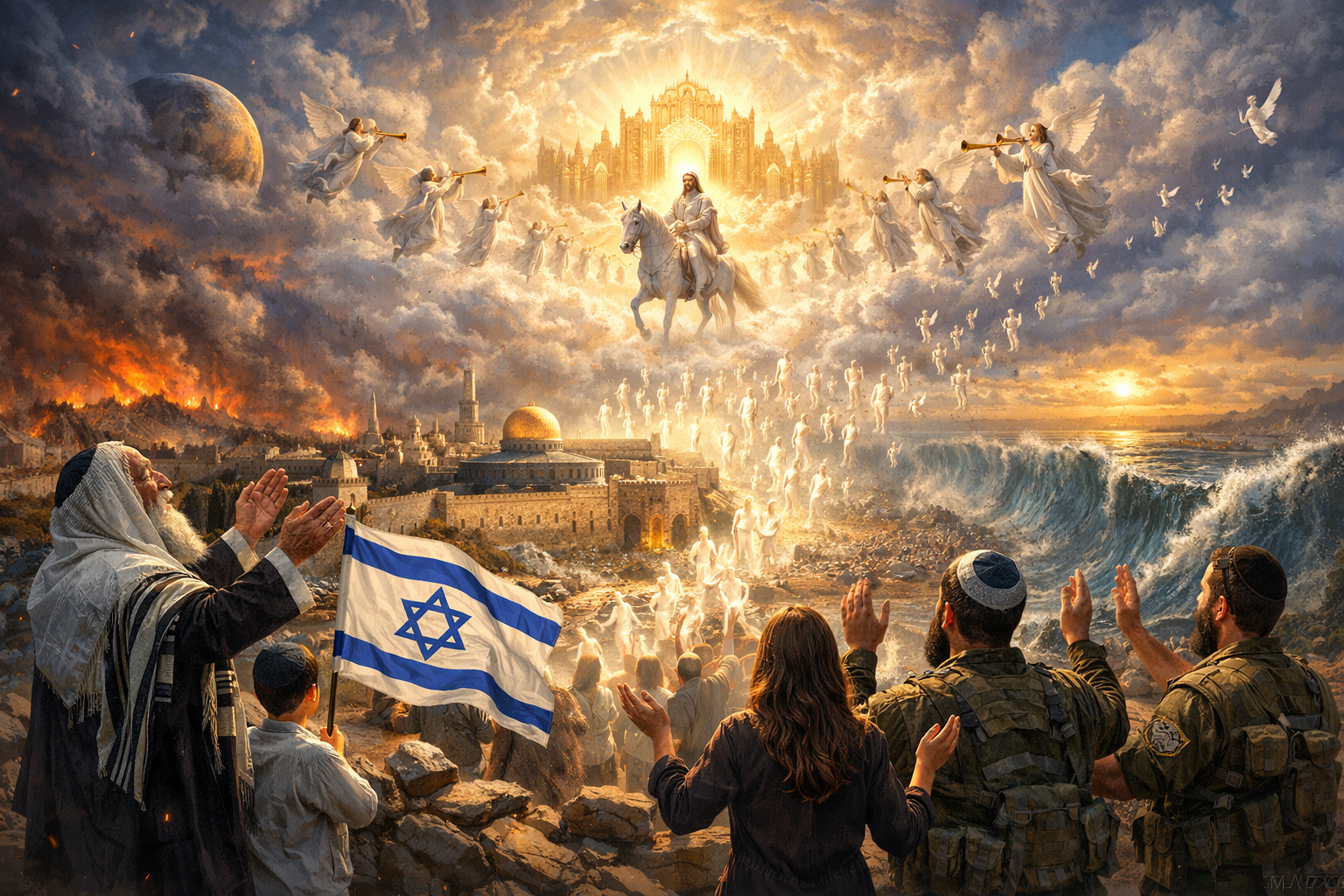
I am not religious. Not at all. Yet it is impossible to ignore how often people now speak in apocalyptic language. Christians talk about the “end times.” Jews pray for the coming of the Messiah, as they have through centuries of persecution. In parts of the Muslim world, extremist ideologies that glorify death have grown louder and more influential, drowning out voices that value coexistence and life. This is not about faith itself, but about what happens when religion or ideology is stripped of humanity and weaponized.
From childhood, I felt like I did not belong to this world. I remember it clearly, even at four years old: I was an outsider, a loner, never part of the loud groups, always walking my own path. I was lonely at times, but not unhappy. As I grew older, I looked at people differently. I was drawn to intelligence, sharp, deep, uncompromising intelligence. I believed, perhaps naively, that intelligent and influential people could save the world. That wisdom, combined with power, would eventually choose good.
Many people see this way of thinking as negative. But is wanting to change the world for the better really pessimism? Or is it simply refusing to accept cruelty as normal?
Today, I am tired. Not bitter, just tired. I no longer believe that any single leader, thinker, or hero will save humanity. History shows us otherwise. Perhaps we are all living on borrowed time. And perhaps the mistake was believing it was our task to save the world at all.
Maybe the task is smaller, and at the same time greater.
Maybe it is time to reflect on our lives, on what we inherited from our ancestors, and on what we will leave behind. A memory. A record. Proof that we were here, that we struggled, that we tried to live with meaning.
And if, one day, only one civilization remains to tell that story, my quiet belief is that it will be Israel. Not because Israel is perfect, it is not, but because Jewish civilization understands the value of life. Through persecution, through mitzvot, through relentless optimism in the face of disaster, Jews chose life again and again. While others sanctified death, Jews sanctified survival, learning, family, and hope.
Perhaps that is the final lesson of our borrowed time: not to save humanity, but to choose life while we are here and to leave behind a trace that says, despite everything, we understood what truly mattered.