You cannot dismantle hatred with slogans. You cannot undo years of indoctrination with shouting matches on social media. And you certainly cannot replace lived reality with hashtags. If there is one lesson I have learned over the years, it is this: prejudice survives distance, but rarely survives proximity.
I have come to believe that one of the most effective ways to confront antisemitism and anti-Israel bias is not through endless debates, but through exposure. Not punishment, not humiliation, experience. Let people see with their own eyes what they think they already understand.
Israel is often spoken about as if it were an abstract concept: a symbol, a headline, a villain in a simplified morality play. But Israel is not an idea. It is a place. A living, breathing society filled with contradictions, cultures, arguments, kindness, chaos, and humanity.
I know this not in theory, but personally.
For years, someone very close to me held deeply negative views about Israel, views shaped by school, media, peers, and a broader European environment where Israel is often portrayed as uniquely evil. At home, however, the narrative was very different. He grew up between two worlds, two stories that could not be more opposed.
When he finally agreed to visit Israel with me, I knew the trip would matter. First encounters always do.
Reality began before takeoff. Israeli airport security, calm, professional, thorough, was his first lesson. Not fear-driven, not aggressive, but serious. Israel does not practice security as theater. It does so because survival demands it.
Then came the country itself. From religious cities where Shabbat reshapes time, to secular Tel Aviv where the Mediterranean sets the rhythm of life. From the Golan Heights to the Dead Sea, from kibbutzim to bustling highways. Kilometer by kilometer, the caricature began to dissolve.
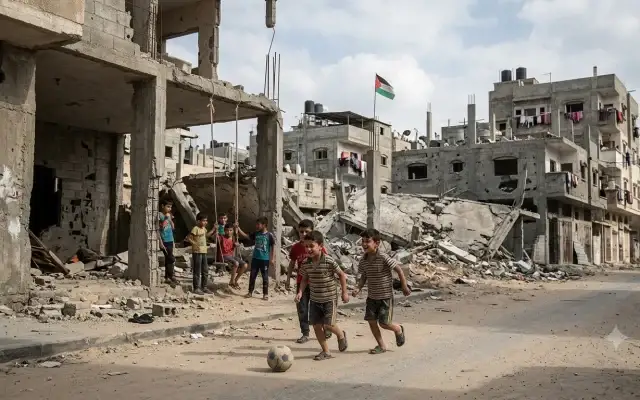
One moment stood out sharply. He had been taught to expect destitution and despair. Instead, he saw well-built homes, normal lives, visible prosperity. The gap between narrative and reality was impossible to ignore. Years of one-sided storytelling collapsed in silence.
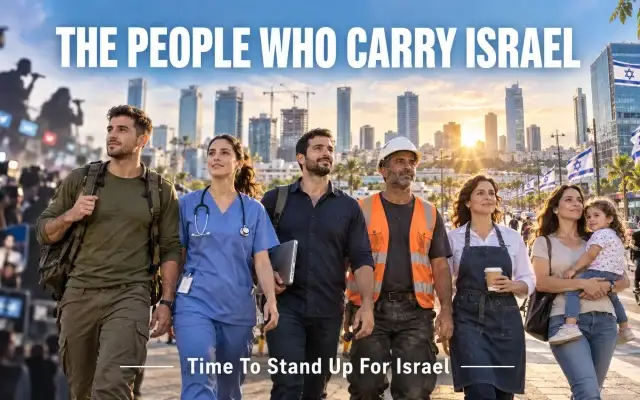
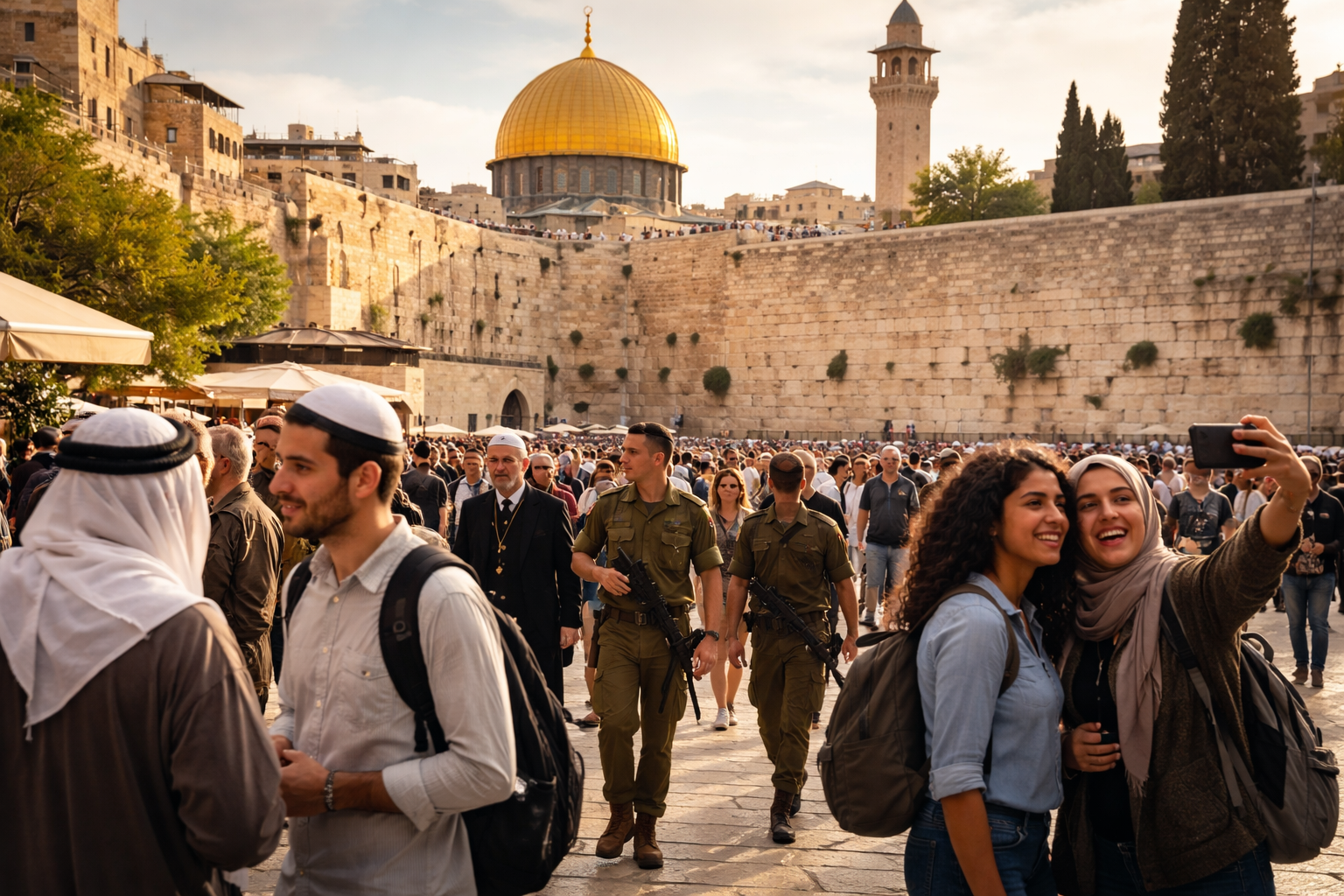
Another moment was quieter, but no less powerful: watching Jews, Muslims, Christians, immigrants, tourists, Ethiopians, Russians, Bedouins, all sharing the same streets. Not segregated. Not frozen in conflict every second of the day. Just living.
He noticed mosques standing openly in Israeli cities. Arab doctors treating Jewish children, Jewish nurses caring for Arab patients. Soldiers at checkpoints who were firm, disciplined, and human, not monsters, not saints, just young people doing a difficult job in a difficult place.
Israel did not pretend to be perfect. The bureaucracy is exhausting. The traffic is borderline dangerous. Patience is tested daily. Arguments are a national hobby. But perfection was never the point.
The point was truth.
Seeing other cultures does something debates never can. It teaches humility. It forces you to confront how incomplete your worldview really is. It shows that societies are complex, that people are not their governments, and that reality rarely fits into activist slogans.
By the end of the journey, Israel was not suddenly “loved.” That was never the goal. But hatred could no longer survive. Certainty gave way to nuance. Propaganda lost its power.
And that, perhaps, is the greatest life lesson of all:
Travel does not always make you agree but it makes you understand.
Israel, for me, remains deeply personal. Flawed, loud, complicated, resilient, and extraordinary. A place that refuses to fit neatly into anyone’s expectations.
So before judging Israel, before condemning, boycotting, or shouting, go. Walk its streets. Speak to its people. See the contradictions. Feel the tensions. Experience the humanity.
Only then can judgment even begin to resemble honesty.
Because distance breeds myths.
And proximity reveals truth.