Truth Beyond the Noise
I am a practical human being. I do not approach conflict through slogans, nor do I find comfort in emotional bandwagons. I look for cause and effect, for patterns, for reality beneath perception. And yet, like many others, I feel a deep frustration when I observe how Israel is discussed across the world today. The intensity of the criticism is not surprising in itself. War always invites scrutiny. What is troubling is how much of that scrutiny is detached from facts and grounded instead in distorted narratives, emotional reflexes, and the sheer velocity of modern communication.
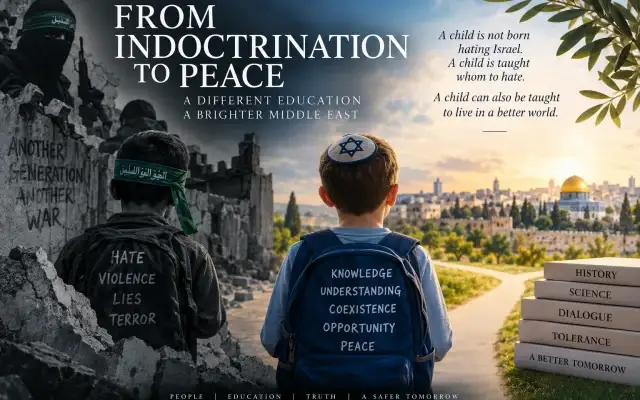
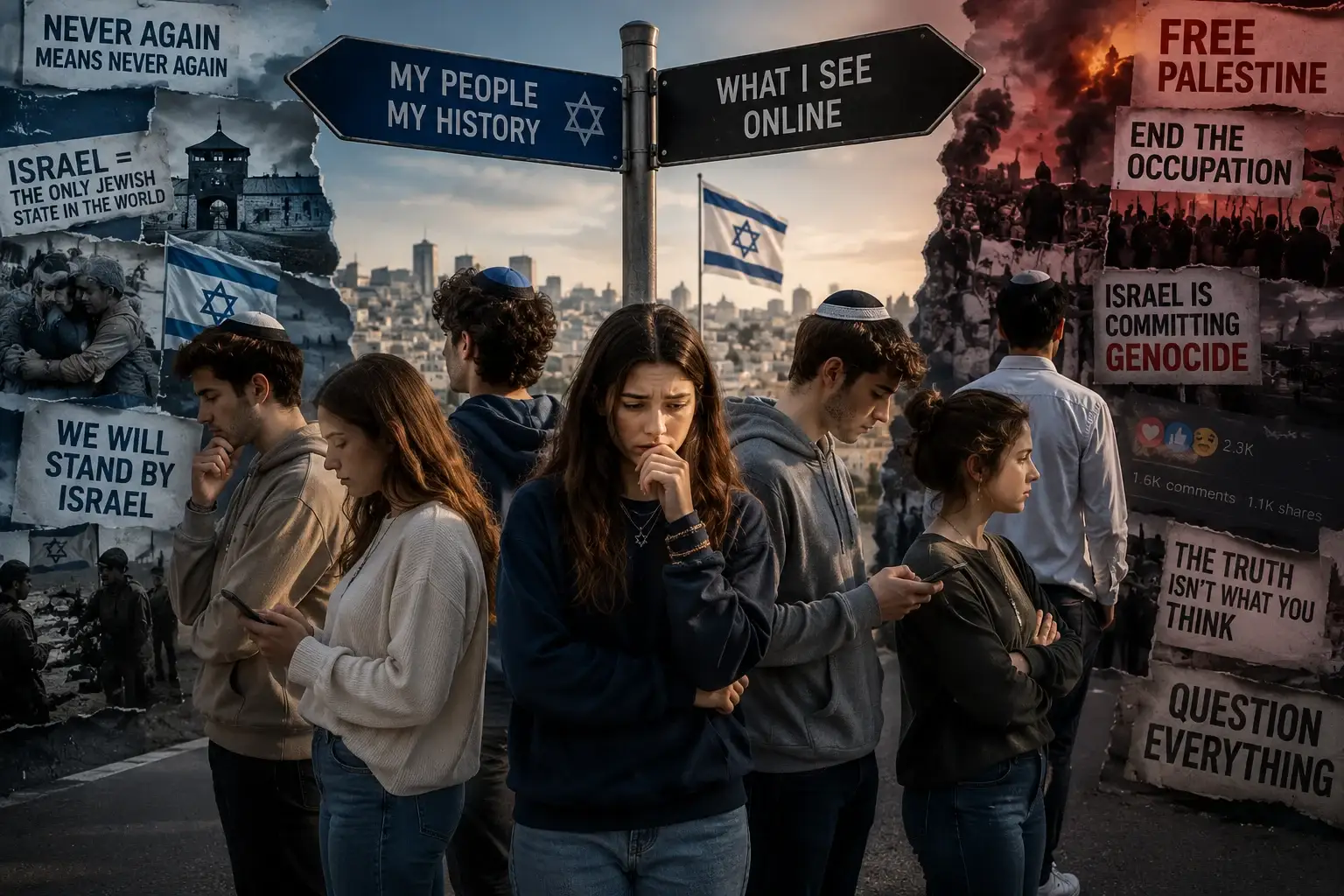
The global image of Israel today is not shaped primarily by careful analysis or historical understanding. It is shaped by repetition. It is shaped by viral images stripped of context, by simplified morality tales that divide the world into oppressors and victims without acknowledging complexity, and by a digital ecosystem that rewards outrage over accuracy. Millions of people who have never studied the region, who do not understand the strategic realities Israel faces, and who have little familiarity with the long arc of Middle Eastern history confidently take positions that are presented as moral certainties. This is not informed judgment. It is mass psychology.
This leads to a provocative thought. What if the constant stream of communication were temporarily removed. Imagine a world in which, for even two weeks, there were no social media platforms, no television broadcasts, no endless commentary cycles. Imagine that information moved slowly again, through written accounts, through reflection rather than reaction. It is not unreasonable to suspect that much of the hostility toward Israel would dissipate, or at least soften. Without the emotional amplification of modern media, people might return to asking more grounded questions. What actually happened. Who initiated violence. What are the security constraints. What alternatives exist.
This is not an argument for censorship. It is an observation about how perception is constructed. In today’s world, speed replaces depth. Emotional impact replaces verification. A powerful image can outweigh a thousand documented facts. Israel, as a state engaged in a highly visible and complex conflict, becomes an easy target for this dynamic. Its actions are dissected in real time, often without the strategic context that any serious evaluation would require.
History provides an important counterpoint. Consider how global conflict functioned during the Second World War. Communication existed, but it was slower, more controlled, and less saturated. Radio broadcasts, telegraphs, and newspapers carried information, but they did not create the constant emotional immersion that defines today’s media environment. Despite this, nations were deeply interconnected. Alliances, trade relationships, and imperial structures ensured that when war broke out, it spread across continents.
The lesson here is critical. Wars are not driven by communication alone. They are driven by interests, threats, and alliances. The Second World War became global not because people were constantly talking about it, but because nations were bound together in ways that made neutrality nearly impossible. When one country acted, others were compelled to respond.
At the same time, the nature of communication influenced how people understood the war. Information moved more slowly, which limited the ability of misinformation to spread instantaneously. Governments had greater control over narratives, for better or worse. Today, that control has vanished. Information is decentralized, which sounds democratic in theory but often results in chaos in practice. Truth competes on equal footing with falsehood, and emotional resonance often determines which one wins.
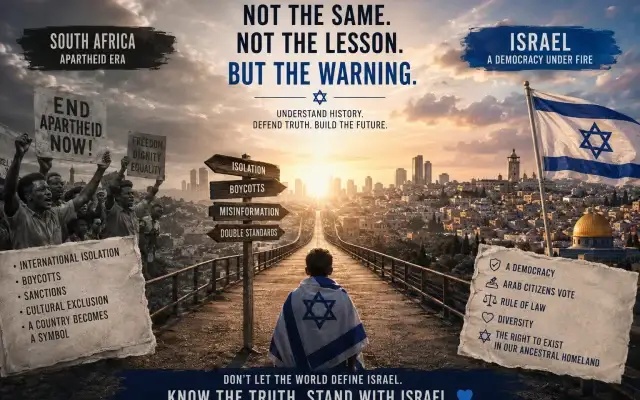
This brings us back to Israel. The challenge it faces is not only military or diplomatic. It is informational. It exists in an environment where every action is immediately broadcast, interpreted, reframed, and often misrepresented. Its enemies understand this and actively exploit it. Information warfare is no longer a secondary aspect of conflict. It is central.
So what is the rational position. It is not blind support, nor is it reflexive condemnation. It is the willingness to evaluate evidence, to understand context, and to resist the pull of simplified narratives. Israel operates in a region where security threats are real and persistent. Its decisions, like those of any המדינה under pressure, are shaped by the need to protect its population. This does not place it beyond criticism, but it does demand that criticism be grounded in reality rather than emotion.
If there is a solution to the current distortion, it is not silence, but discipline. It is the refusal to accept viral narratives without scrutiny. It is the insistence on historical awareness. It is the recognition that in a world saturated with information, the greatest challenge is not access to data, but the ability to distinguish truth from noise.
In the end, being on the right side of history is not about aligning with the loudest voices. It is about aligning with facts, with reason, and with a clear understanding of the forces at play. That is not always the popular path. But it is the only one that leads to clarity.