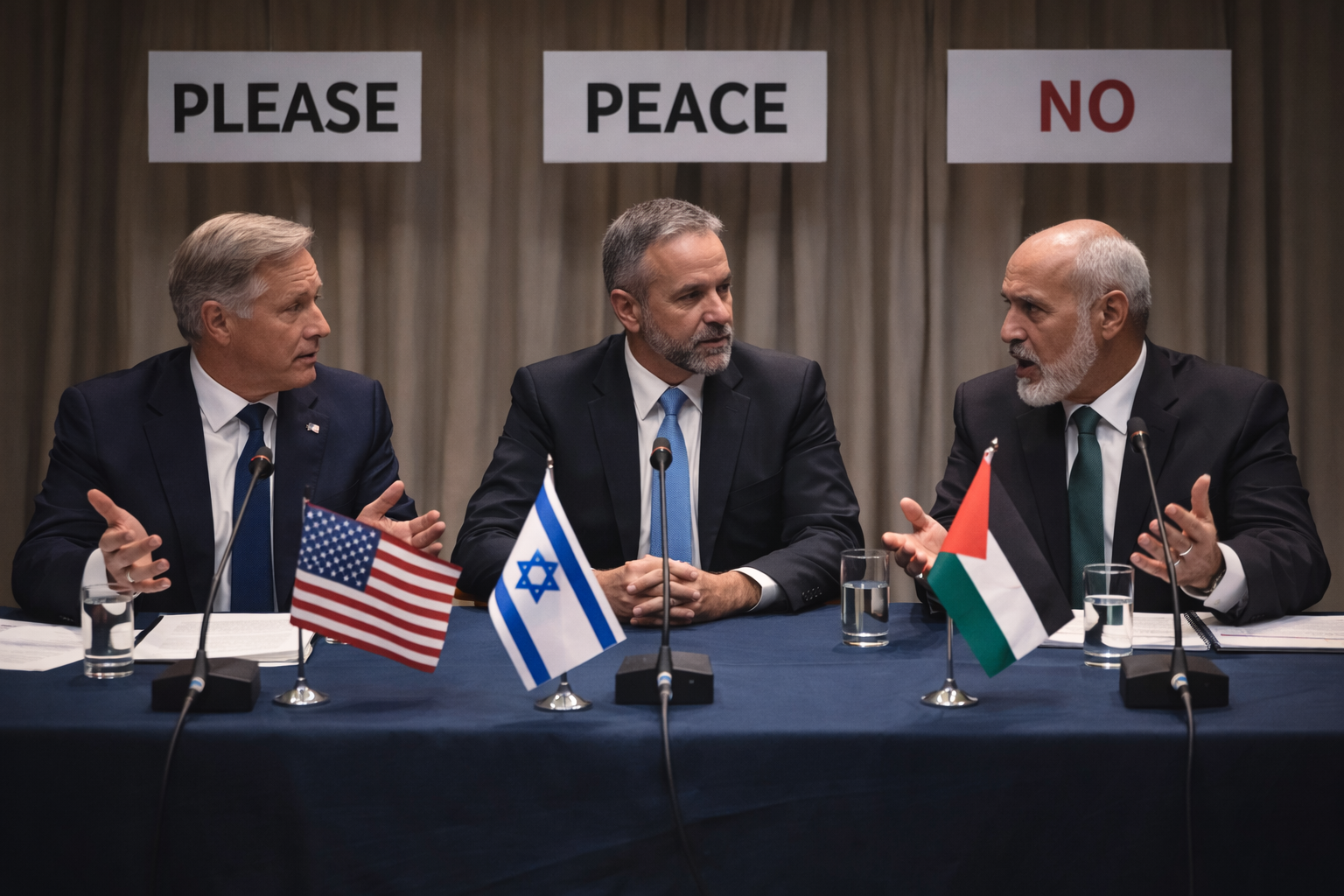
Israel Stands While the World Looks Away
After the so-called deal of the century was revealed years ago, there was a brief moment when hope felt real again. It was almost tangible. Finally there was a chance, a serious one, that peace could take root in a region that has known far too much pain. But that moment disappeared as quickly as it came. The response from Palestinian leadership followed a pattern the world has seen again and again. Rejection, outrage, threats. Another no. Not the first, not the fifth, not the tenth. The twelfth.
And then the rockets came.
They came from Gaza into southern Israel, aimed at families living ordinary lives, people sitting at dinner tables, children trying to sleep, communities observing Shabbat. These rockets were not improvised acts of desperation. They were funded, enabled, and justified by a global narrative that too often paints Israel as the aggressor and ignores the reality of constant terror directed at its people.
It never takes long before the narrative shifts. Israel defends itself and suddenly it is Israel that stands accused. Israel that is judged. Israel that is expected to show restraint in the face of violence that no other nation would tolerate for a single day.
Then came October 7. A date that should be etched into the conscience of the world. A massacre carried out with brutality that cannot be explained away or softened. Civilians slaughtered. Families torn apart. Hostages taken. This was not resistance. This was terror in its purest form.
Israel responded the next day. Not out of revenge but out of necessity. A nation has a duty to protect its citizens. No government in the world would act differently under those circumstances. The objective was clear. Bring the hostages home and dismantle the terror infrastructure that made such an attack possible.
And yet even in war, Israel acted with a level of restraint and humanity that is rarely acknowledged. Warnings were issued. Leaflets dropped. Phone calls made. Safe corridors established. These are not the actions of a nation seeking destruction. These are the actions of a nation trying to balance survival with morality under impossible conditions.
Years later, a ceasefire emerges. Brokered with effort and diplomacy. Another opportunity. Another moment where the path could shift.
And once again the answer is no.
Refusal to disarm. Refusal to move toward peace. The thirteenth rejection. At some point the pattern is no longer coincidence. It is strategy.
So the question becomes unavoidable. What choice does Israel have. When your enemy promises not just one attack but many more, when they openly declare their intention to repeat atrocities, surrender is not peace. It is extinction.
This is the reality Israel faces. Not in theory but in practice, every single day.
Still, the idea of peace does not disappear. It lingers. It pushes itself into thought, into memory, into imagination. I think about my father who served in a peacekeeping role decades ago, helping facilitate family reunions between Druze communities separated by borders and conflict. Once a month families met. They talked. They saw each other not as enemies but as human beings.
That memory raises a question that refuses to go away. If peace cannot be imposed from above, can it be built from below.
Imagine this. Not negotiations between politicians who already distrust each other, but meetings between ordinary families. An Israeli family sitting at the table with an Arab family. Sharing food. Sharing stories. Listening. Not for a headline, not for a political gain, but for understanding.
Security would have to be absolute. Screenings, protection, rapid response if needed. No one is naive about the risks. But within that structure, something rare could happen. People could see each other as individuals rather than symbols. Eight meetings in a month. Conversations that go beyond slogans and propaganda.
Repeat it in another town. Then another.
It would not solve everything. It would not erase decades of conflict. But it could plant something that has been missing for far too long. Recognition. Respect. Humanity.
Because here is the truth that often gets ignored. Israel does not celebrate death. It celebrates life. It builds, it innovates, it protects. It wants peace not as a slogan but as a reality.
But peace requires two sides willing to say yes.
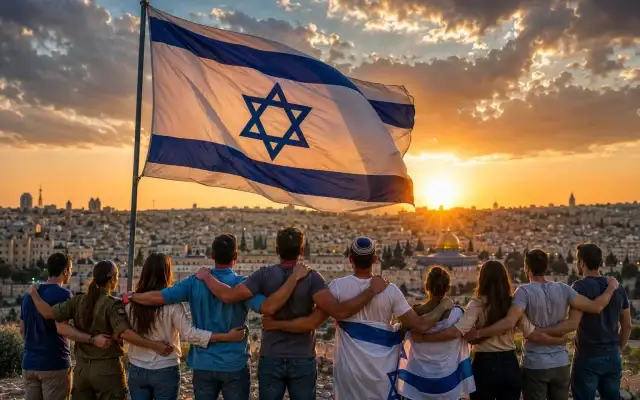
Until that happens, Israel will continue to stand. Not because it wants war, but because it refuses to disappear. Not because it rejects peace, but because it understands that survival comes first.
The world may look away or misunderstand. It may rush to judgment. But Israel remains, carrying the burden of defending itself while still holding onto the hope that one day, against all odds, the answer will finally be yes